

Table of contents
- Why security guard insurance matters to Houston property owners
- What Texas law requires every licensed security company to carry
- Armed security guard insurance in Houston: the questions to ask
- Workers' compensation: Texas makes it optional
- How to read a security guard insurance certificate
- Red flags when a Houston security company talks about insurance
- FAQs
Security guard insurance in Houston is the part of a security contract most buyers skim and later wish they had read. When an incident happens on your property, the security company’s insurance decides who pays. This guide explains what Texas law requires, what armed coverage adds, and how to check a certificate before you sign.
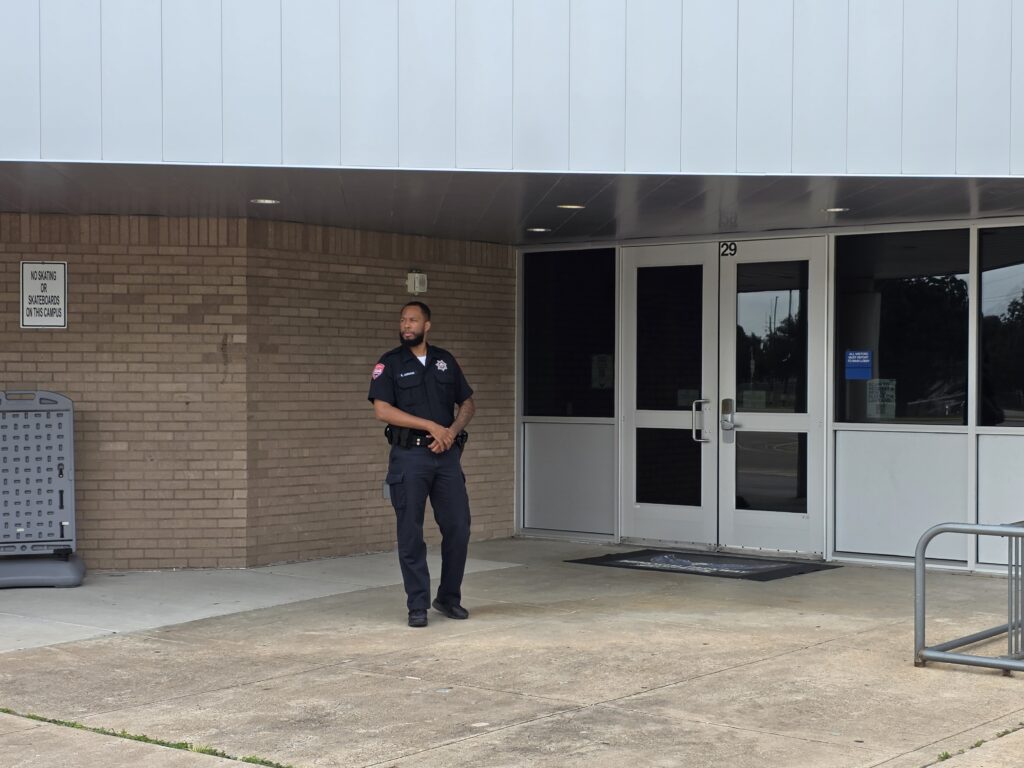
Why security guard insurance matters to Houston property owners
A security officer works on your property, around your tenants, customers, and staff. As a result, any incident on that post can turn into a claim. A slip during a patrol, a damaged gate, or a disputed detention can all lead to one.
If the security company carries the right coverage, its policy responds first. However, if it carries too little, or none at all, the claim can land on you. That is why security guard insurance belongs at the top of your Houston vetting checklist, next to licensing.
For Houston property managers, this is not a rare concern. Busy retail centers, apartment communities, construction sites, and events all put officers in contact with the public every day. Therefore, the question is never whether coverage matters. It is whether the coverage is real, current, and large enough.
What Texas law requires every licensed security company to carry
Texas regulates private security through Chapter 1702 of the Occupations Code. Under Section 1702.124, a company cannot get a security license without a general liability policy. In addition, it must keep that coverage in force while it holds the license.
For security guard insurance in Houston and across Texas, the statute sets these minimum limits:
- $100,000 per occurrence for bodily injury and property damage
- $50,000 per occurrence for personal injury
- $200,000 aggregate for all occurrences
The law also requires coverage sufficient for all of the company’s private security activities. In other words, the minimums are a floor, not a target. A firm that staffs large sites, armed posts, or round-the-clock coverage should carry well above them.
Keep in mind that the state minimum protects the public at a basic level. It was never designed around your specific property. So ask what the company actually carries, not only whether it meets the minimum.
Armed security guard insurance in Houston: the questions to ask
Armed posts raise the stakes for security guard insurance in Houston. A commissioned officer carries a firearm under a Texas DPS Level III commission, and insurers treat that exposure differently. Some general liability policies limit or exclude incidents involving firearms unless the policy is written for armed work.
Before you place an armed officer on your property, ask the company these questions:
- Does your general liability policy cover armed officers and firearm-related incidents?
- Are your limits the same for armed and unarmed posts?
- Do you carry an umbrella or excess policy above the primary limits?
- Will you name my company as an additional insured on the certificate?
- Are the officers on my site your own employees, or subcontractors?
The last question matters more than it sounds. If a company subcontracts officers, those officers may not fall under its policies at all. Op6 avoids that gap entirely, because every Op6 officer is a W-2 employee working under the company’s own Texas DPS license.
Workers' compensation: Texas makes it optional
Texas is unusual. Most private employers here can choose not to carry workers’ compensation insurance. Employers who opt out are known as non-subscribers.
For you, this means one simple step. Ask whether the security company is a workers’ compensation subscriber. It is the gap Houston owners most often miss when they review security guard insurance. If it is not, find out how it covers officer injuries on your site. Otherwise, an injured officer could look to the property owner for recovery.
A clear answer here is a good sign. Likewise, a vague answer is a reason to keep asking before you sign anything.
How to read a security guard insurance certificate
Proof of security guard insurance for a Houston contract usually arrives as a certificate of insurance, often on the standard ACORD 25 form. It is one page, but every line tells you something.
- Named insured: it should match the company name on your contract and on its Texas license.
- Policy period: confirm the coverage is current and will not expire mid-contract.
- Limits: compare each limit with the state minimums above and with your own risk.
- Additional insured: check whether your company is listed when you asked for it.
- Insurer and agent: note the agent’s contact details so you can verify the certificate directly.
Finally, call the agent listed on the certificate and confirm the policy is active. A certificate is a snapshot, and a cancelled policy can still leave an old certificate in circulation.
Red flags when a Houston security company talks about insurance
Most licensed Houston companies answer security guard insurance questions easily. Still, a few warning signs deserve attention:
- The company cannot produce a current certificate within a day or two.
- The named insured does not match the company you are hiring.
- The company avoids the armed-coverage question.
- Officers are described as independent contractors.
- The price is far below every other quote you received.
A very low bid often means something was cut, and insurance is a common place to cut. For that reason, compare coverage before you compare price. You can also confirm the company’s license with our guide on how to verify a security company’s Texas license.
If you are comparing providers now, start with our overview of security guard services in Houston, TX. It covers armed and unarmed officers, response times, and how Op6 builds a quote around your site.
Frequently Asked Questions
How much insurance must a Texas security company carry?
Under Texas Occupations Code Section 1702.124, a licensed security company must carry general liability coverage of at least $100,000 per occurrence for bodily injury and property damage, $50,000 per occurrence for personal injury, and $200,000 in aggregate. It must also carry coverage sufficient for all of its private security activities.
Is security guard insurance in Houston different for armed officers?
Yes, it can be. Some general liability policies limit or exclude firearm-related incidents unless they are written for armed work. Before placing an armed officer, ask the company to confirm in writing that its policy covers armed officers.
Can I be named as an additional insured?
Many security companies will add a client as an additional insured on request. Ask for it before the contract starts, then check that your company appears on the certificate of insurance.
Do Texas security companies have to carry workers' compensation?
Not always. Texas lets most private employers choose not to carry workers' compensation. Ask whether the company is a subscriber, and if not, how it covers officer injuries on your property.
Ready to put trained, licensed officers on your property? See our Services page or call 832-304-4301 for a free, no-obligation assessment.
Talk to Op6 Security
Get licensed, veteran-led officers matched to your property and your risk, with GPS-tracked reporting and 24/7 Houston dispatch.