
Table of contents
Introduction
If your fire alarm or sprinkler system goes down — or you’re doing welding or cutting work — you may be legally required to post a fire watch until the hazard is resolved. Skipping it can mean code violations, failed inspections, insurance problems, and, most importantly, an unprotected building. Here’s a clear breakdown of when a fire watch is required in Texas and what it involves.
What Is a Fire Watch?
A fire watch is a dedicated, trained person whose sole job is to patrol a property, watch for fire and fire hazards, and immediately raise the alarm and call 911 if anything happens. It’s a temporary, human substitute for the automatic fire protection that’s normally in place — used whenever that protection is impaired or extra vigilance is required.
When Is a Fire Watch Required in Texas?
Texas largely follows the International Fire Code (IFC) and NFPA standards, but cities adopt and amend these codes locally, so exact rules vary by your authority having jurisdiction (AHJ). In general, a fire watch is required when:
- A fire alarm or sprinkler system is out of service — NFPA generally calls for a fire watch when a system is impaired beyond a set window (often around 4–10 hours, depending on the code and system).
- Hot work is performed — welding, cutting, brazing, or grinding typically requires a fire watch during the work and for a period afterward.
- The fire marshal orders one — for a system impairment, a large public gathering, or other elevated-risk conditions.
- During construction, renovation, or system testing when protection is temporarily offline.
Because the specifics depend on your local code and insurer, always confirm requirements with your local fire marshal or AHJ.
How Long Must a Fire Watch Last?
A fire watch generally must remain in place for as long as the impairment exists — from the moment a system goes offline until it’s fully restored and verified. For hot work, codes commonly require the watch to continue for a period after the work stops (often at least 30–60 minutes) to catch smoldering ignition. Your AHJ sets the final word.
What Does a Fire Watch Guard Do?
A qualified fire watch officer will:
- Patrol all required areas on a set interval, watching for smoke, heat, and hazards
- Keep a written fire watch log documenting each round and any findings
- Ensure exits, extinguishers, and egress paths are clear
- Immediately raise the alarm, call 911, and follow the site’s emergency plan if fire is detected
That documented log is exactly what inspectors and insurers expect to see after an impairment.
Who Can Perform a Fire Watch?
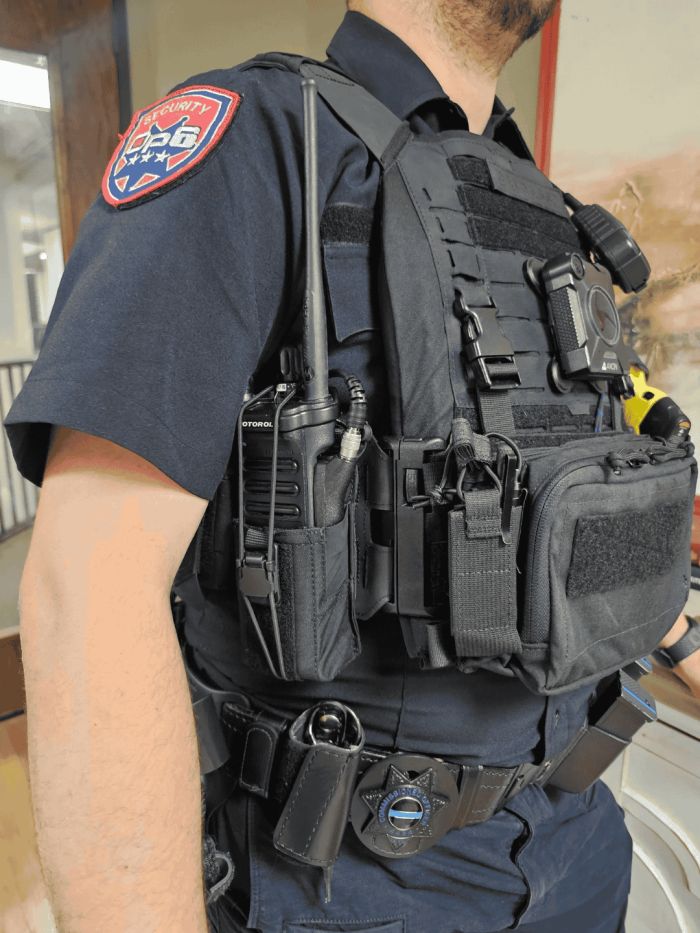
A fire watch must be performed by a responsible, trained person who is dedicated solely to the task — not a staff member juggling other duties. Many businesses use a professional security provider so the watch is reliable, properly logged, and available around the clock. Op6 provides trained fire watch officers in Houston who patrol, document, and respond per your AHJ’s requirements.
Fire System Down? Get a Fire Watch Fast.
Op6 deploys trained, licensed fire watch officers across Houston and Texas — properly logged and ready around the clock. Free, no-obligation consultation; we respond within one business day.